

The returns process is often the final interaction a customer has with your brand. A slow, complicated, or confusing return experience destroys customer loyalty and delays the crucial refund process, impacting cash flow.
Retailers must move beyond manual returns to a Rules-Based Returns System. This system uses pre-defined logic to instantly decide the optimal return path—whether the item should stay in the store, go back to the DC, or be immediately disposed of. Implementing a Rules-Based Returns System ensures speed, reduces logistical costs, and guarantees rapid refunds, turning a negative interaction into a positive one.
Step 1: Define Your Return Path Rules
The foundation of a Rules-Based Returns System is a clear, automated decision matrix. You must first define the rules that determine where and how an item is processed.
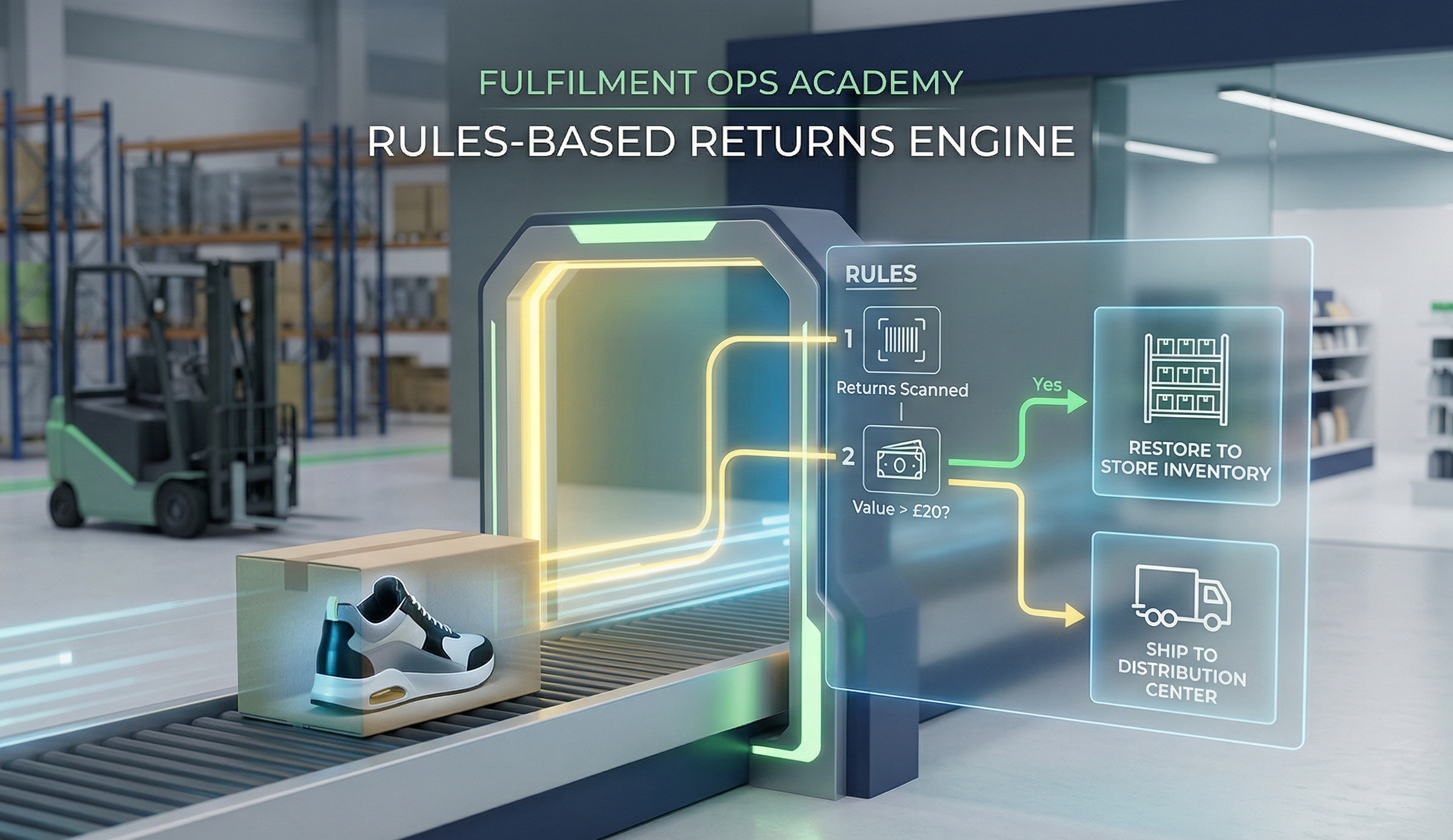
- Financial Rule (Store Absorption): If the item’s value is below a specific threshold (e.g., £20) OR if the item is low-stock in the store, the system flags it for immediate in-store absorption. This avoids costly shipping back to the DC.
- Condition Rule (DC Return): If the item is high-value or requires specialised quality inspection (e.g., electronics, designer goods), the system generates a label routing it to the DC or a specific processing centre.
- Disposal Rule: If the item is perishable, damaged beyond repair, or a promotional giveaway, the system flags it for immediate in-store disposal (waste) and blocks it from being added to saleable inventory.
format_quote
“Action: Embed these rules into your store or warehouse application. The system applies the logic the moment the return is scanned.”
Step 2: Implement the Instant In-Store Audit
When a customer returns an item to a physical location, the store associate needs a simple tool to execute the rules quickly. The associate simply executes the system’s decision, eliminating manual errors and accelerating the refund.
The 4-Step Audit Workflow
- Original Order Lookup: Scan customer’s receipt or payment card.
- Condition Confirmation: Confirm return reason & condition (e.g., “Faulty”).
- System Decision: Instantly process logic to Absorb or Ship to DC.
- Refund Initiation: Trigger financial refund immediately.
Step 3: Automate Inventory Re-entry
Regardless of the return path, the final steps must ensure perfect inventory and financial alignment across all systems.
Store Absorption
OMS instantly updates the store’s saleable inventory (ATP) and records the financial credit note.
DC Routing
Item flagged as “In Transit – QC Pending.” Stock is held until DC inspection team confirms condition.
ERP Sync: The final, verified refund amount, condition, and inventory destination must be synchronised back to the ERP (e.g., Sage/NetSuite). This automatically closes the original sales invoice and creates the necessary credit note. This comprehensive workflow provides a fully audited and financially sound Rules-Based Returns System.
Modulus365: Automated Returns That Accelerate Refunds
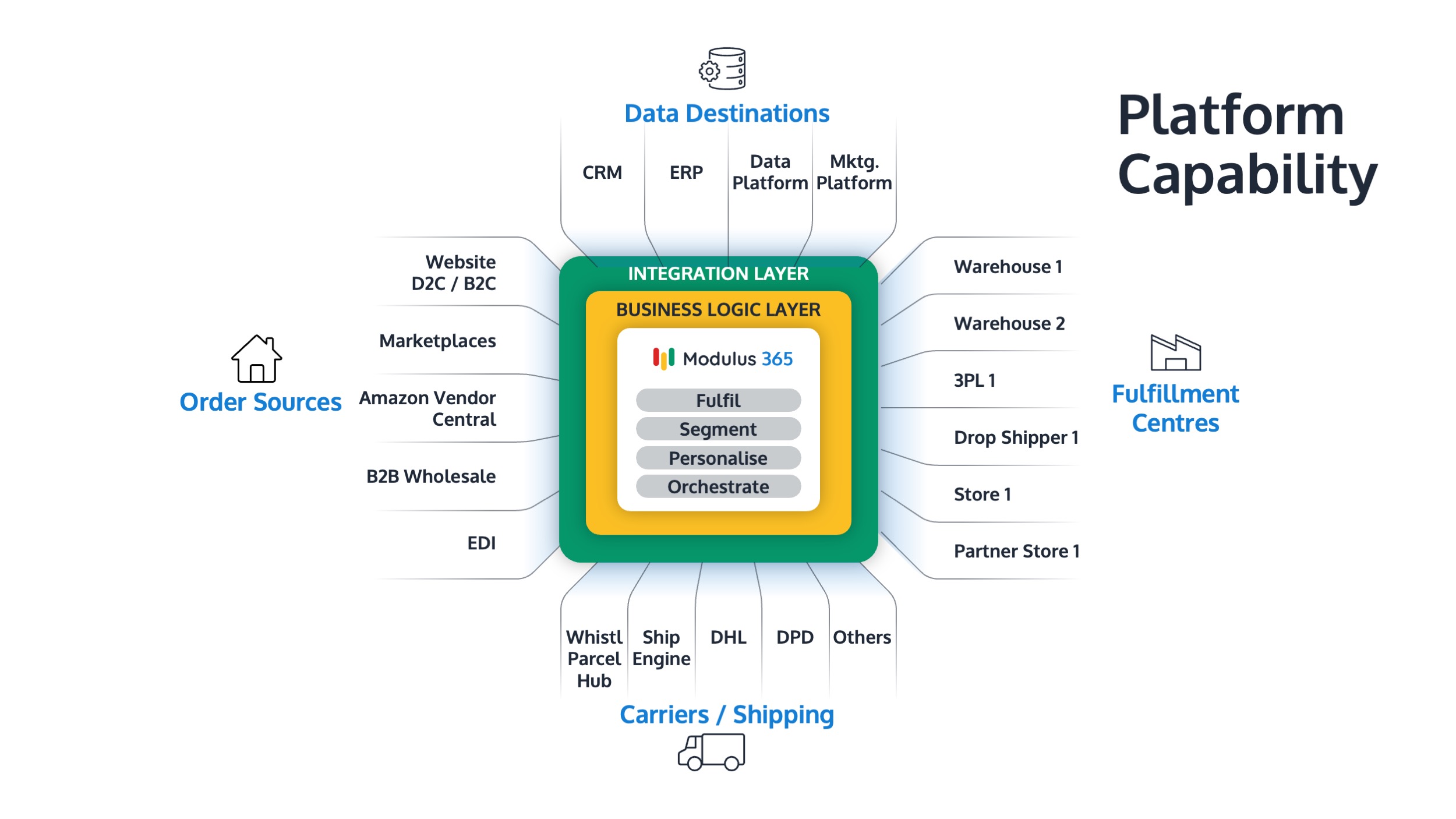
- Fragmented returns systems create chaos: slow refunds, manual credit notes, and inaccurate inventory. Modulus365 delivers a pre-built, Rules-Based Returns System across your entire estate.
- We allow you to configure custom financial and condition rules that are applied instantly in the store associate’s app or DC scanner.
- Our system automates the decision: either immediately release stock back to the store’s ATP or generate a trackable label for DC processing.
- Modulus365 initiates the refund immediately upon confirmation and ensures the final, audited credit note is correctly and instantly sent back to your ERP, transforming returns from a liability into a loyalty driver.
Frequently Asked Questions
What is a Rules-Based Returns System?
expand_more
It is an automated framework that uses pre-defined logic (like item value, current stock levels, or item condition) to instantly determine the most cost-effective path for a returned item—whether that means keeping it in-store, sending it to a distribution centre, or disposing of it.
How does in-store absorption save money?
expand_more
By systematically identifying low-value or highly sought-after items and keeping them at the retail location to be resold immediately, retailers avoid the unnecessary packaging, shipping, and handling costs associated with sending those items back to a central warehouse.
Why is automating the refund trigger so important?
expand_more
A slow refund process is one of the quickest ways to damage brand loyalty. Automating the decision matrix allows store associates or warehouse scanners to instantly approve the condition and trigger the financial refund immediately, turning a return into a positive customer experience.