

Returns Management Best Practices
Returns are a normal part of fulfilment operations, but unmanaged returns can quickly create stock inaccuracies, extra costs, customer service pressure, and warehouse disruption.
A good returns process helps businesses inspect returned goods, update inventory, issue refunds or replacements, identify recurring problems, and recover value from returned stock.
This guide explains the most important returns management best practices for growing fulfilment operations.
What is Returns Management?
Returns management is the process of handling products that customers send back after purchase.
It includes receiving returned goods, identifying the original order, inspecting product condition, deciding whether the item can be resold, updating stock, processing refunds or replacements, and recording return reasons.
Returns management is also known as reverse logistics because stock is moving backwards through the fulfilment process.
To understand where returns fit into the wider operation, read: What is Fulfilment Operations?
Why Returns Management Matters
Returns affect more than customer service. They impact warehouse workload, stock accuracy, cash flow, profitability, product quality, and customer loyalty.
Poor returns management can cause:
- Returned stock sitting unprocessed for days or weeks
- Refund delays
- Incorrect stock availability
- Resellable items being missed
- Damaged goods being returned to saleable stock
- High customer service workload
- Limited visibility of why products are being returned
- Higher fulfilment cost per order
A strong returns process helps businesses protect customer experience while keeping operational control.
1. Create a Clear Returns Policy
A returns policy should be clear, visible, and easy for customers and internal teams to understand.
It should explain:
- Return time limits
- Which products can and cannot be returned
- Product condition requirements
- Refund, exchange, or credit options
- Who pays return postage
- How customers should start a return
- How long refunds usually take
Clear policy reduces confusion, customer service queries, and operational exceptions.
2. Use Return Authorisation
Return authorisation helps the business control what is coming back before it arrives.
This may involve issuing a return reference, return merchandise authorisation number, or return request linked to the original order.
Return authorisation helps teams identify:
- Who returned the item
- Which order it relates to
- Which product is expected
- Why the customer is returning it
- Whether refund, replacement, or exchange is expected
Without return authorisation, warehouse teams may receive goods with no clear context.
3. Capture Return Reason Codes
Return reason codes are essential for understanding why products come back.
Useful reason codes include:
- Wrong item sent
- Item damaged in transit
- Item faulty
- Incorrect size
- Customer changed mind
- Product not as described
- Late delivery
- Duplicate order
- Ordered by mistake
- Missing parts
Reason codes help separate unavoidable returns from avoidable operational problems.
If returns are caused by picking or packing errors, read: How to Improve Warehouse Picking Accuracy
4. Inspect Returned Goods Before Restocking
Returned items should not automatically go back into available stock.
Each return should be inspected before a restock decision is made.
Inspection should check:
- Product condition
- Packaging condition
- Missing parts or accessories
- Signs of use
- Damage
- Expiry dates or batch details where relevant
- Whether the item is suitable for resale
This protects customer experience and prevents damaged or incomplete goods being resold.
5. Use Clear Return Stock Statuses
Returned stock should move through clear status stages rather than being mixed into available stock immediately.
Useful return statuses include:
- Return requested
- Awaiting receipt
- Received
- Awaiting inspection
- Approved for resale
- Quarantined
- Damaged
- Repair required
- Disposed
- Refunded
Clear stock statuses improve inventory accuracy and reduce confusion in the warehouse.
Related guide: Inventory Accuracy: Why It Breaks and How to Fix It
6. Process Returns Quickly
Slow returns processing creates several problems.
- Customers wait longer for refunds
- Stock is unavailable for resale
- Warehouse space is blocked by unprocessed items
- Customer service queries increase
- Inventory accuracy becomes less reliable
Operations teams should set clear targets for return inspection, refund approval, and restocking.
Returns should be measured as part of wider fulfilment KPIs.
7. Separate Customer-Choice Returns from Operational Errors
Not all returns mean something went wrong operationally.
Some returns are customer-choice returns, such as incorrect size, changed mind, or unsuitable product. Others are avoidable operational returns caused by picking errors, damaged goods, late delivery, or poor product data.
| Return Type | Example | Action |
|---|---|---|
| Customer-choice return | Changed mind or wrong size ordered | Improve product content and policy clarity |
| Fulfilment error | Wrong item sent | Review picking and packing process |
| Carrier issue | Late or damaged delivery | Review carrier performance |
| Product issue | Faulty or damaged product | Review supplier, QA, or packaging |
This separation helps operations teams take the right corrective action.
8. Monitor Returns by Product, Channel, and Reason
Returns data becomes more valuable when it is analysed by product, sales channel, customer type, and reason code.
Useful views include:
- Returns by SKU
- Returns by product category
- Returns by sales channel
- Returns by carrier
- Returns by warehouse
- Returns by reason code
- Returns by customer segment
This helps identify whether the issue is operational, commercial, product-related, or carrier-related.
9. Design a Dedicated Returns Area
Returns should not be mixed into normal inbound stock without control.
A dedicated returns area helps warehouse teams keep returned stock separate until it has been inspected and processed.
The returns area should support:
- Goods receipt
- Order identification
- Inspection
- Condition grading
- Quarantine
- Restocking
- Disposal or repair
This helps protect stock accuracy and warehouse flow.
10. Connect Returns to Inventory and Order Management
Returns affect both order management and inventory management.
If return data is not connected properly, teams may struggle to answer basic questions:
- Has the return been received?
- Has the item been inspected?
- Has stock been updated?
- Has the refund been processed?
- Is the item available for resale?
- Is the return linked to the original order?
Connected systems reduce manual work and improve visibility.
To understand how order and warehouse systems work together, read: OMS vs WMS: What’s the Difference?
11. Plan for Returns After Peak Season
Returns often increase after peak trading periods such as Black Friday, Christmas, and major promotional events.
Operations teams should plan for post-peak returns before they arrive.
This includes:
- Extra returns processing capacity
- Clear inspection rules
- Temporary storage areas
- Refund workflow planning
- Customer service preparation
- Stock update discipline
- Reporting on return reasons
Related guide: How to Manage Peak Season Fulfilment
12. Use Returns Data to Improve Operations
Returns should not only be processed. They should be studied.
Good returns analysis can reveal:
- Picking accuracy issues
- Poor product descriptions
- Supplier quality problems
- Packaging weaknesses
- Carrier damage issues
- Product sizing problems
- Late delivery patterns
- Training issues in the warehouse
This makes returns data a valuable source of operational intelligence.
Returns Management Checklist
| Area | Best Practice |
|---|---|
| Policy | Make return rules clear for customers and internal teams |
| Authorisation | Link returns to original orders before goods arrive |
| Reason codes | Capture why items are returned |
| Inspection | Check condition before restocking |
| Stock status | Separate available, quarantined, damaged, and returned stock |
| Speed | Process returns quickly to reduce customer queries and stock delays |
| Analysis | Review returns by SKU, channel, carrier, and reason |
How Technology Helps with Returns Management
Technology helps businesses manage returns more consistently by connecting customer orders, warehouse inspection, stock updates, refunds, and reporting.
A fulfilment platform can support:
- Return authorisation
- Reason code capture
- Inspection workflows
- Return stock statuses
- Inventory updates
- Refund or replacement workflows
- Returns reporting
- Operational performance visibility
Returns management works best when connected to order orchestration, inventory accuracy, warehouse processes, and customer service visibility.
How Modulus365 Helps with Returns Management
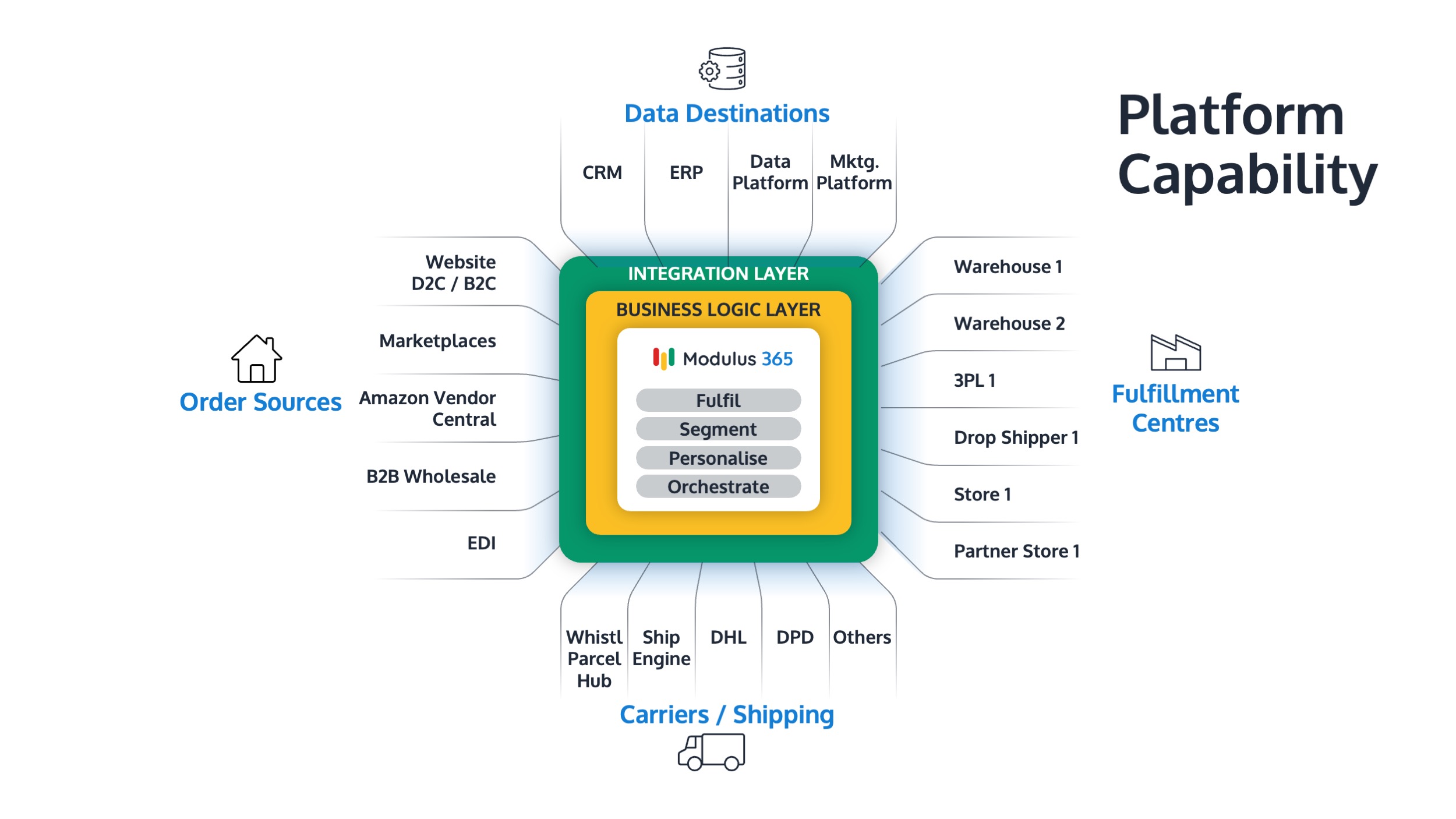
Modulus365 helps businesses connect order management, warehouse workflows, inventory visibility, carrier integrations, returns processes, and operational reporting.
For Sage businesses, Modulus365 can work alongside the ERP as the fulfilment operations layer, helping teams control both outbound fulfilment and reverse logistics.
👉 Learn more about Modulus365 for Sage.
Related FOA Guides
Returns management is closely connected to inventory accuracy, fulfilment cost, warehouse accuracy, customer experience, and peak season planning. These guides are useful next reads:
- What is Fulfilment Operations?
- Inventory Accuracy: Why It Breaks and How to Fix It
- Fulfilment KPIs Every Operations Leader Should Track
- How to Reduce Fulfilment Cost Per Order
- How to Improve Warehouse Picking Accuracy
- How to Manage Peak Season Fulfilment
- OMS vs WMS: What’s the Difference?
Ready to Improve Returns Management?
If returns are creating stock inaccuracies, refund delays, customer service pressure, or warehouse disruption, Modulus365 can help bring more control and visibility into your fulfilment and reverse logistics processes.
Frequently Asked Questions
What is returns management?
Returns management is the process of handling products customers send back, including authorisation, receipt, inspection, stock updates, refunds, exchanges, and reporting.
Why is returns management important?
Returns management is important because it affects customer experience, stock accuracy, warehouse workload, refunds, profitability, and operational visibility.
What are returns management best practices?
Best practices include clear return policies, return authorisation, reason codes, inspection before restocking, clear stock statuses, fast processing, and regular returns analysis.
How do returns affect inventory accuracy?
Returns affect inventory accuracy when returned goods are not inspected, restocked, quarantined, or written off correctly. Poor returns control can make system stock unreliable.
How can businesses reduce returns?
Businesses can reduce avoidable returns by improving product information, picking accuracy, packaging, carrier performance, quality control, and customer communication.