

Cycle Counting vs Annual Stock Takes
Stock accuracy is critical for reliable fulfilment operations. If your system stock does not match your physical stock, orders fail, pickers lose time, customers are disappointed, and operations teams lose confidence in the numbers.
Two common approaches to checking stock accuracy are cycle counting and annual stock takes. Both have value, but they work in very different ways.
This guide explains the difference between cycle counting and annual stock takes, when to use each method, and how regular stock checks can improve inventory accuracy.
What is the Difference Between Cycle Counting and an Annual Stock Take?
The main difference is frequency and scope.
An annual stock take is usually a full physical count of stock carried out once a year. Cycle counting is a continuous stock-checking process where selected products, locations, or stock groups are counted regularly throughout the year.
| Method | How It Works | Main Benefit |
|---|---|---|
| Annual stock take | Full stock count, usually once per year | Provides a full snapshot of stock position |
| Cycle counting | Regular counts of selected items or locations | Finds and fixes stock issues earlier |
If you are trying to improve stock reliability, start with our related guide: Inventory Accuracy: Why It Breaks and How to Fix It
What is an Annual Stock Take?
An annual stock take is a full physical count of stock, usually carried out at the end of a financial year or accounting period.
The goal is to compare physical stock with system stock and identify differences that may need to be corrected.
An annual stock take often involves:
- Counting all products and stock locations
- Freezing or pausing stock movements
- Reconciling physical stock against system records
- Investigating major discrepancies
- Posting stock adjustments
- Supporting financial stock valuation
Advantages of Annual Stock Takes
Annual stock takes are useful because they provide a complete stock position at a specific point in time.
- Useful for financial reporting
- Provides a full stock snapshot
- Helps identify major discrepancies
- Supports year-end audit processes
- Can highlight wider stock control issues
For many businesses, an annual stock take remains an important accounting and compliance activity.
Limitations of Annual Stock Takes
The main weakness of annual stock takes is that they happen too infrequently to prevent day-to-day fulfilment issues.
By the time the annual stock take happens, stock problems may have affected months of orders, purchasing decisions, customer promises, and warehouse productivity.
Common limitations include:
- Problems are found too late
- Warehouse operations may need to pause
- Counting can be disruptive and labour-intensive
- Root causes may be difficult to trace months later
- Stock accuracy can deteriorate again shortly after the count
An annual stock take can correct stock records, but it does not automatically improve the processes that caused the discrepancies.
What is Cycle Counting?
Cycle counting is a continuous stock-checking process where small groups of products, locations, or stock categories are counted regularly.
Instead of waiting until year-end, cycle counting helps teams monitor stock accuracy throughout the year.
Cycle counts can be scheduled by:
- Product value
- Product movement rate
- Problem SKUs
- Warehouse location
- Recent stock adjustments
- Return-prone products
- High-risk or high-margin items
Advantages of Cycle Counting
Cycle counting helps businesses find stock issues earlier and maintain inventory accuracy more consistently.
- Improves stock accuracy throughout the year
- Reduces reliance on large annual counts
- Finds root causes sooner
- Creates less disruption to warehouse operations
- Helps identify recurring problem products or locations
- Supports better fulfilment and purchasing decisions
Cycle counting is especially useful for growing fulfilment operations where stock accuracy directly affects order performance.
Cycle Counting vs Annual Stock Takes: Side-by-Side Comparison
| Area | Annual Stock Take | Cycle Counting |
|---|---|---|
| Frequency | Usually once per year | Daily, weekly, or monthly |
| Scope | All stock | Selected products or locations |
| Operational disruption | Often high | Usually low |
| Root cause visibility | Often limited | Usually better |
| Best for | Financial stock snapshot | Ongoing inventory accuracy |
| Problem detection | Late | Early |
Which Method is Better?
Cycle counting and annual stock takes are not direct replacements for each other. They serve different purposes.
An annual stock take is useful for full financial stock validation. Cycle counting is better for maintaining operational stock accuracy throughout the year.
For growing fulfilment operations, the strongest approach is usually:
- Use cycle counting to maintain day-to-day stock accuracy
- Use annual stock takes for financial validation and full stock review
- Use discrepancy analysis to fix process problems, not just stock numbers
When Should You Use Cycle Counting?
Cycle counting is useful when stock accuracy affects daily fulfilment performance.
You should consider cycle counting if:
- Pickers often cannot find stock
- System stock and physical stock do not match
- You frequently make manual stock adjustments
- You sell through multiple channels
- You experience overselling or stockouts
- You operate from multiple locations
- You want fewer year-end stock surprises
Cycle counting works best when connected to clear warehouse processes and accurate stock movement controls.
Different Types of Cycle Counting
ABC Cycle Counting
ABC cycle counting groups products by value, importance, or movement rate.
- A items: high-value or high-priority items counted most frequently
- B items: medium-priority items counted less frequently
- C items: lower-priority items counted occasionally
Location-Based Cycle Counting
This approach counts specific warehouse zones, aisles, bins, or locations on a regular schedule.
It is useful when certain areas of the warehouse experience repeated discrepancies.
Exception-Based Cycle Counting
This approach counts stock after a trigger event, such as:
- Failed pick
- Large stock adjustment
- Unexpected stockout
- High return volume
- Damaged stock report
Random Cycle Counting
Random cycle counting selects products or locations at random. This can help test general stock accuracy without bias.
How Often Should You Cycle Count?
The right frequency depends on stock value, movement rate, and operational risk.
| Stock Type | Suggested Count Frequency |
|---|---|
| High-value items | Weekly or monthly |
| Fast-moving items | Weekly or fortnightly |
| Problem SKUs | After every discrepancy until stable |
| Slow-moving items | Quarterly or twice yearly |
| Low-value stable items | Less frequently |
The aim is not to count everything constantly. The aim is to count intelligently based on operational risk.
How to Run an Effective Cycle Counting Process
A good cycle counting process should be simple, repeatable, and linked to root cause analysis.
1. Define What to Count
Choose products or locations based on value, movement, risk, or known issues.
2. Schedule Counts Regularly
Make cycle counting part of the normal operating rhythm rather than an occasional clean-up exercise.
3. Count Without Disrupting Operations
Where possible, count small groups of stock while normal warehouse operations continue.
4. Record Discrepancies Clearly
Capture SKU, location, expected quantity, counted quantity, variance, date, user, and reason if known.
5. Investigate Root Causes
Do not only adjust the stock number. Look for why the discrepancy happened.
6. Fix the Process
If the same issue repeats, improve receiving, putaway, picking, returns, stock movement, or system controls.
Common Causes Found Through Cycle Counting
Cycle counting often reveals recurring operational issues such as:
- Incorrect putaway
- Unrecorded stock movements
- Picking errors
- Returns placed back into stock too early
- Damaged stock not separated correctly
- Supplier delivery discrepancies
- Product code or barcode issues
- Manual adjustments masking process problems
For more on picking-related stock issues, read: How to Improve Warehouse Picking Accuracy
Cycle Counting and Fulfilment Performance
Cycle counting directly supports fulfilment performance because accurate stock improves order allocation, picking, dispatch planning, and customer promises.
Better stock accuracy can help reduce:
- Failed picks
- Overselling
- Unexpected stockouts
- Split shipments
- Customer service queries
- Manual warehouse checks
- Fulfilment delays
Inventory accuracy is also closely linked to fulfilment cost per order, because stock errors create avoidable labour and rework.
How Technology Supports Cycle Counting
Cycle counting becomes easier when warehouse systems support location control, barcode scanning, stock movement tracking, and discrepancy reporting.
A WMS or fulfilment platform can support:
- Scheduled cycle count tasks
- Barcode scanning
- Location-based counts
- Variance reporting
- Stock adjustment controls
- Audit trails
- Root cause tracking
- Inventory visibility across systems
To understand where WMS fits into fulfilment systems, read: OMS vs WMS: What’s the Difference?
How Modulus365 Helps with Inventory Accuracy and Cycle Counting
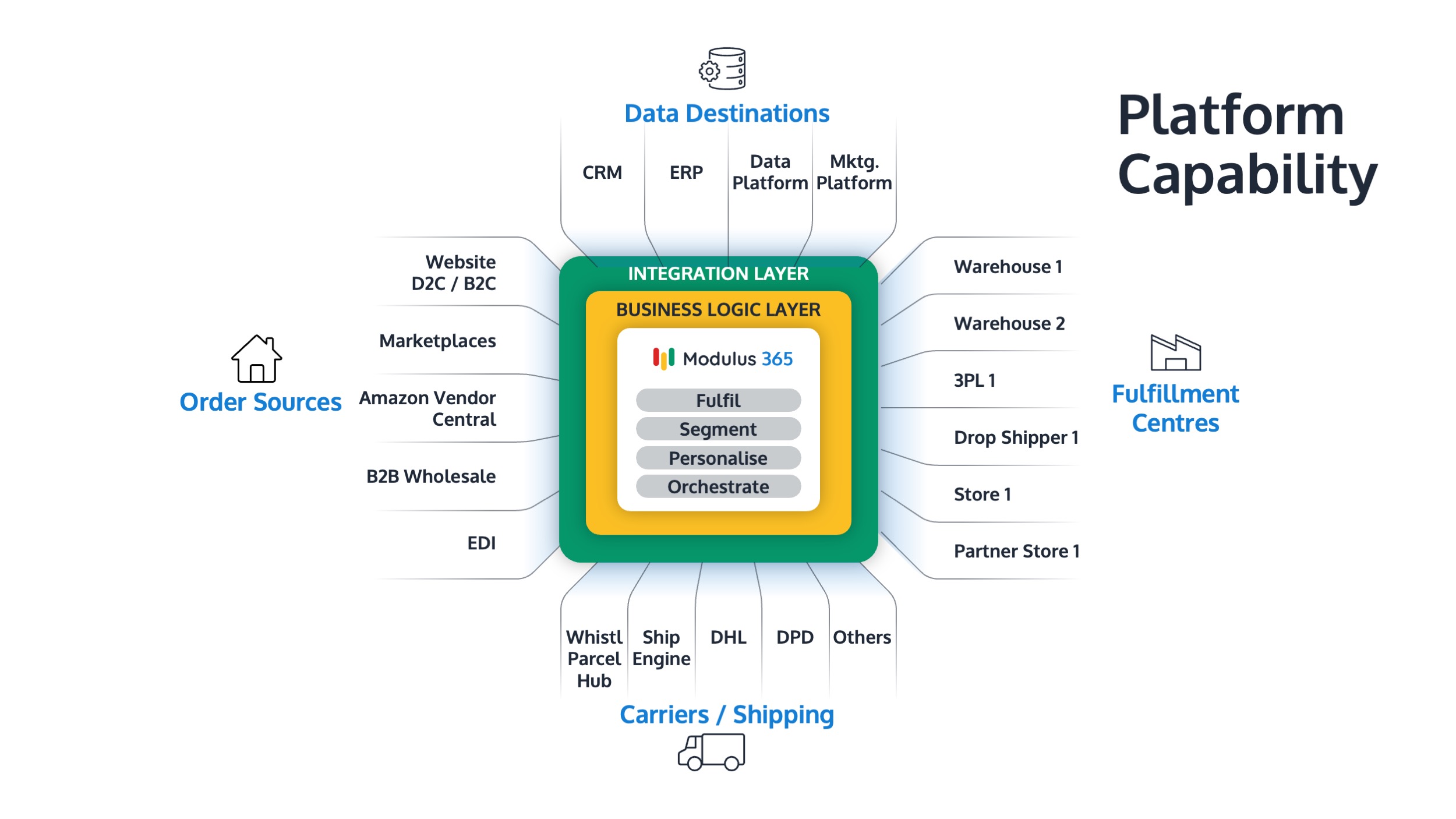
Modulus365 helps businesses connect warehouse workflows, inventory visibility, stock movement controls, order management, and fulfilment reporting.
For Sage businesses, Modulus365 can work alongside the ERP as the fulfilment operations layer, helping teams improve stock accuracy and reduce the operational impact of stock discrepancies.
👉 Learn more about Modulus365 for Sage.
Related FOA Guides
Cycle counting is one of the most practical ways to improve stock accuracy and protect fulfilment performance. These guides explain the wider operational context:
- Inventory Accuracy: Why It Breaks and How to Fix It
- Fulfilment KPIs Every Operations Leader Should Track
- How to Improve Warehouse Picking Accuracy
- How to Reduce Fulfilment Cost Per Order
- How to Manage Peak Season Fulfilment
- What is Fulfilment Operations?
Ready to Improve Stock Accuracy?
If annual stock takes keep revealing unexpected discrepancies, Modulus365 can help bring more control into stock movements, warehouse workflows, inventory visibility, and fulfilment operations.
Frequently Asked Questions
What is cycle counting?
Cycle counting is a stock-checking process where selected products, locations, or stock groups are counted regularly throughout the year instead of waiting for one full annual stock take.
What is an annual stock take?
An annual stock take is a full physical count of stock, usually carried out once per year for financial validation and stock reconciliation.
Is cycle counting better than an annual stock take?
Cycle counting is better for maintaining ongoing inventory accuracy, while annual stock takes are useful for full stock validation and financial reporting.
How often should cycle counts be done?
Cycle count frequency depends on product value, movement rate, and risk. High-value, fast-moving, and problem SKUs should usually be counted more frequently.
Does cycle counting improve stock accuracy?
Yes. Cycle counting improves stock accuracy by finding discrepancies earlier, helping teams investigate root causes, and reducing reliance on large once-a-year stock corrections.